All Categories
Featured
Fascination About Getting Support for Anyone's Financial ...
The Of How Denying Your Debt Problems Makes Things Worse
Excitement About When Professional Guidance Makes a Diffe...
The Main Principles Of "Dealing with Property Tax Escrow ...

Some Known Questions About Protecting Yourself from Fraudulent Operators.
Table of Contents
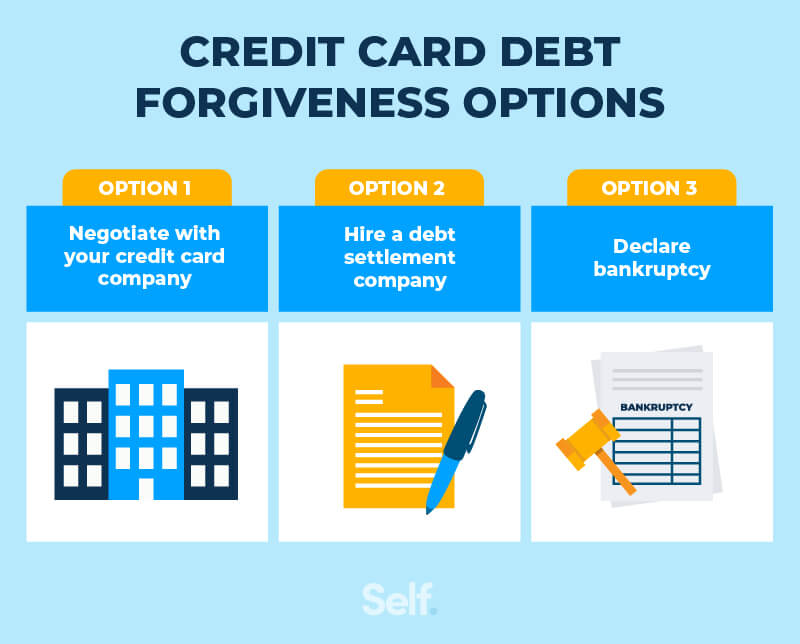
That maximizes money in the short-term, and you might have three to four years to conserve toward the negotiation quantity. Very damaging to credit report, mostly as a result of missed out on payments and an adverse "worked out" mark that can remain on your credit score report for approximately 7 yearsMay be only alternative if other options (debt combination, balance transfer bank card, debt mercy) aren't possibleTypically requires a fee to the 3rd party, which could offset some or every one of the savings from financial debt settlementMay assist you stay clear of insolvency if you've missed several paymentsNot all creditors function with financial obligation settlement firms Financial debt mercy might be best for you if you are experiencing a financial hardship that makes it almost difficult to pay down your financial debt equilibriums.
With a DMP, you make one regular monthly settlement to the credit scores counseling firm. Those funds are after that distributed to lenders of your unsecured financial debts, such as bank card and installment lendings. The company works with your financial institutions to minimize rate of interest rates or forgo charges, however some financial institutions may reject such concessions.
It can assist you pay down financial debt if you're able to safeguard a car loan price that's reduced than the typical rate of the accounts you're combining. You have to abstain from racking up financial obligation on those newly gotten rid of accounts or your financial debt can expand even higher.

These cards usually offer a 0% rate of interest initial period of as much as 21 months. That gives you a lot of time to eliminate or significantly minimize your equilibrium while making interest-free payments. For some people facing impossible debt, personal bankruptcy might be the only method to stop collection process and legitimately solve their financial obligations.
Facts About "Bankruptcy Destroys Your Credit" Debunked Uncovered
You may need it if your financial institution or a debt collector ever attempts to accumulate on the financial obligation in the future. The letter can confirm you do not owe what the debt collection agency's documents show. Yes, in the majority of instances, the internal revenue service considers forgiven financial debt as gross income. When a lending institution forgives $600 or more, they are required to send you Type 1099-C.
Financial debt mercy or settlement often hurts your credit rating. Anytime you resolve a debt for less than you owe, it might look like "cleared up" on your credit history record and influence your credit history for seven years from the day of settlement. Your credit scores can additionally go down significantly in the months resulting in the mercy if you fall back on repayments.
Examine This Report on "How Strategic Goal Setting Can Transform Your Debt Elimination Journey : APFSC Ruins Your Credit" Corrected
This scenario typically results from underreporting revenue, not submitting returns on time, or disparities discovered during an IRS audit. The repercussions of collecting tax financial obligation are major and can include tax liens, which offer the IRS a lawful case to your residential or commercial property as safety and security for the debt.
Wages and Financial institution Accounts Internal revenue service can impose (seize) salaries and financial institution accounts to please the debt. Property Seizure In extreme situations, the Internal revenue service can seize and sell residential property to cover the financial debt.
Social Stigma Dealing with lawful activity from the IRS can lug social preconception. Work Opportunities A poor credit rating due to exhaust financial debt can limit work opportunities. Government Benefits Tax debt may affect qualification for government benefits, such as Social Safety and Medicaid.
10 Simple Techniques For Your Legal Rights Under State Law
The OIC takes into consideration numerous factors, including the taxpayer's income, expenses, property equity, and capacity to pay. Efficiently negotiating an OIC can be complicated, requiring a detailed understanding of the internal revenue service's standards and a strong disagreement for why your deal straightens with your capability to pay. It is very important to note that not all applications are approved, and the procedure needs thorough financial disclosure.
The IRS examines your general financial situation, including your earnings, expenditures, possession equity, and capacity to pay. You need to likewise be existing with all declaring and settlement needs and not be in an open insolvency case. The IRS also considers your compliance history, reviewing whether you have a document of prompt declaring and paying taxes in previous years.
An Unbiased View of Actual Testimonials from How Strategic Goal Setting Can Transform Your Debt Elimination Journey : APFSC Recipients
The application process for an Offer in Concession includes numerous in-depth steps. You need to finish and send Internal revenue service Form 656, the Deal in Concession application, and Type 433-A (OIC), a collection information declaration for people. These types call for detailed financial information, consisting of details concerning your revenue, debts, expenditures, and properties.
Back tax obligations, which are unpaid taxes from previous years, can significantly raise your total IRS financial obligation otherwise attended to promptly. This debt can accrue passion and late settlement penalties, making the original amount owed a lot bigger in time. Failure to pay back tax obligations can lead to the internal revenue service taking enforcement actions, such as providing a tax obligation lien or levy versus your property.
It is essential to address back tax obligations immediately, either by paying the sum total owed or by arranging a layaway plan with the internal revenue service. By taking positive actions, you can stay clear of the buildup of additional passion and penalties, and avoid more aggressive collection actions by the internal revenue service.
One common reason is the idea that the taxpayer can pay the sum total either as a lump sum or with a layaway plan. The IRS additionally thinks about the taxpayer's revenue, costs, possession equity, and future earning capacity. If these aspects show that the taxpayer can pay for to pay greater than the used quantity, the IRS is likely to decline the deal.
Not known Factual Statements About Sector Changes in Bankruptcy Counseling and Debtor Protections
Dealing with IRS financial debt can be complicated and challenging. Tax experts, such as CPAs, tax lawyers, or enlisted agents, can give vital aid.

Table of Contents
Latest Posts

Fascination About Getting Support for Anyone's Financial Recovery Journey
The Of How Denying Your Debt Problems Makes Things Worse

Excitement About When Professional Guidance Makes a Difference
More
Latest Posts
Fascination About Getting Support for Anyone's Financial Recovery Journey
The Of How Denying Your Debt Problems Makes Things Worse
Excitement About When Professional Guidance Makes a Difference